保持培养体积,同时加速细胞系开发
近乎实时地跟踪活细胞浓度趋势,确保在上游工艺中实现克隆排序和传代决策,而无需额外试剂
引言
为什么CLD会拖慢生物工艺流程
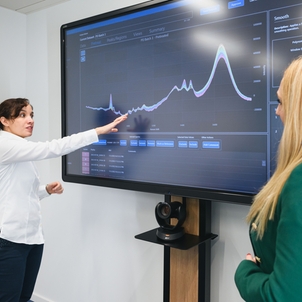
在细胞系开发(CLD) 中,如果生长信息在决策窗口期过后才姗姗来迟,那么整体进度都会被拉长 - 尤其是在从毫升级培养物中筛选大量克隆时。利用微流体装置进行在线拉曼光谱分析 ,将活细胞浓度(VCC)/活力趋势转化为可在筛选过程中用于早期检测 的操作信号:更快进行排序,减少重复测试,并保持培养体积,同时确保工作流程与未来自动化能力兼容。
克隆筛选过程看似是一个分析问题,但本质上却是一个通量问题。您可以测量细胞,但速度不够快,稳定性不足,而且会消耗宝贵的早期培养物。如果VCC信息滞后,团队只能推迟向下精选 、重复验证性实验并延长筛选-传代循环,从而增加整个项目的时间和成本。
洞察
可以为您提供行动参考的VCC趋势
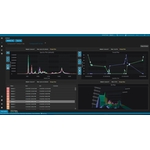
拉曼光谱分析学 能够对多种培养物中的细胞浓度和活力信号进行非侵入式在线趋势分析 。通过构建涵盖广泛VCC范围的化学计量学模型 ,团队可以区分中国仓鼠卵巢(CHO)克隆的相对VCC趋势 ,并减少对试剂计数循环的依赖,从而更高效地比较候选克隆。
拉曼光谱分析学能够揭示以下信息:
克隆候选物之间的早期VCC分离 (排序信号) 筛选和传代过程中的生长轨迹 (趋势,而非快照) 不同 CHO系 /表达蛋白 之间的可比信号(筛选一致性)经同行评审研究 证实,拉曼光谱分析学能够可靠模拟不同条件下CHO细胞培养物中的细胞生长、活细胞浓度和代谢谱。
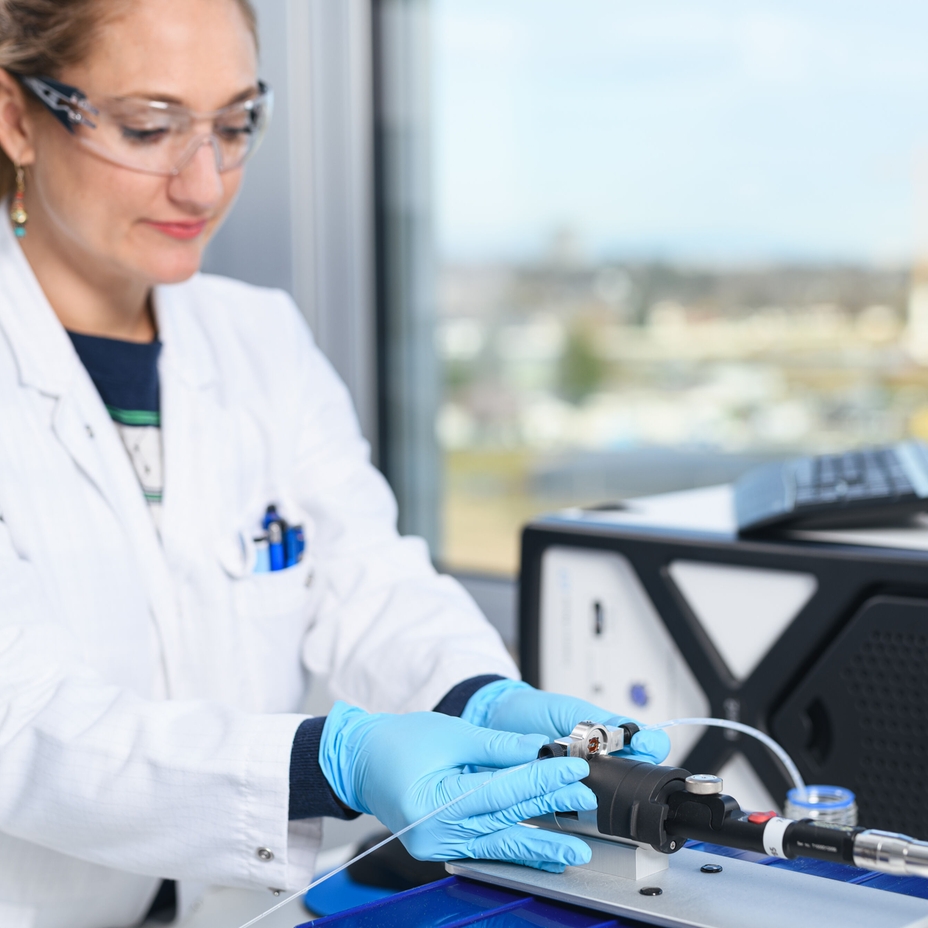
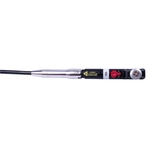
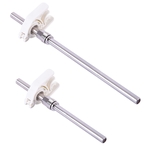
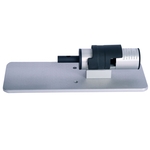
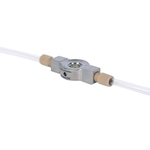
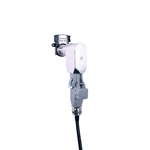
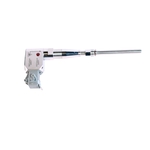
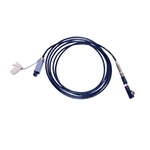
为了应对早期阶段的限制,我们部署了微量拉曼流通系统,支持从从极少量样品中可靠采集光谱数据。微型流通池在保持光谱质量的同时显著减少了样品消耗,其架构也支持日后集成至自动化处理系统中。
这种精心设计的流程符合CLD需求:
小样品体积 高筛选通量 为多种培养物提供测量再现性 支持日后集成至自动化培养平台
@iStock
如果能够以极小的取样工作量呈现VCC趋势,就能更早地调整决策。团队可以更快筛选出表现不佳的克隆 、稳定传代决策并更快找到稳健多产的克隆,而无需耗时等待分析结果。其成果并非“更多的数据”;而是更好的时机 :只要能快速获取结果,团队就能在克隆群仍然庞大、选择余地仍然充分的条件下做出决策。
由于减少了对耗材密集型计数循环的依赖,CLD团队可以获得以下优势:
筛选周期更短 ,向下精选更快试剂/耗材使用更少 早期开发阶段消耗的培养体积更少 大型克隆群之间具备更一致的可比性 兼容自动化处理系统的 可扩展 分析能力 ,而非孤立零散的人工操作
©Endress+Hauser
案例研究
KBI Biopharma的CLD筛选流程
在一个已记录的CLD应用中,拉曼光谱分析技术支持对表达不同重组蛋白的多个CHO细胞系 进行细胞浓度监测的预测建模,确保在广泛的VCC范围内实现简单区分,同时显著减少样品体积。
除了可行性之外,项目还展示了拉曼光谱分析趋势如何自然地融入CLD工作流程(从实验设计到建模),并为实现上游自动化监测提供长期路径支持。
“从最初的可行性测试到拉曼光谱分析解决方案的成功部署,Endress+Hauser团队都展现了作为优质合作伙伴的价值,能够很好地满足我们的应用需求。”
Séverine Fagète,拥有博士学位, 副总裁
, KBI Biopharma
我们的专长
为什么选择Endress+Hauser?
Endress+Hauser 为细胞系开发提供全方位支持,涵盖实验设计、化学计量学建模和培训 ,并提供专为微量分析和自动化流程量身定制的拉曼光谱分析解决方案。
我们不仅专注于现场仪表,更致力于帮助CLD研究人员更快更自信地推进项目 ,保护高价值的细胞培养物,同时确保更早更明智做出工艺决策。
白皮书
在线测量如何为CLD以外的生物工艺增添价值
本白皮书介绍了运用实时在线测量的实用方法,从研发到上下游工序均涵盖。了解如何在工艺早期将关键过程参数(CPP)和关键质量属性(CQA)联系在一起,从而支持更顺畅的技术转移、更自信的控制决策以及产量和产品质量的显著提升。
您可以探索以下内容:
实时CPP和CQA洞察如何支持更早、更明智的决策 在线和多参数传感器如何在上游和下游工艺中创造价值 拉曼光谱分析法如何助力监测成分、质量和均匀性 从实验室研发到生产,如何体现测量一致性
在线拉曼光谱分析技术如何支持CHO细胞系开发(CLD)中的实时活细胞浓度(VCC)监测?
在线拉曼光谱可以在CLD筛选过程中生成实时光谱数据 ,这些数据可以用于预测模型 ,以估算 多个CHO细胞系
拉曼光谱分析法如何估算不同CHO细胞系中的活细胞浓度?
拉曼光谱分析法测量与培养物成分变化(随细胞密度和活力的演变而动)相关的光谱变化。通过在广泛的VCC范围内训练化学计量学模型,此方法可以为克隆候选物提供一致的区分信号,从而支持排序决策,而无需在每个步骤都依赖试剂计数。
什么是拉曼化学计量学模型?它是如何构建用于自动化细胞系开发(CLD)筛选工作流程的?
拉曼化学计量学模型将拉曼光谱模式与关键过程属性(例如细胞浓度)联系起来,通常采用的是多元统计方法。在CLD筛选中,团队通常先进行实验设计 ,然后构建模型 ,最后部署模型进行趋势分析,有助于实现上游工艺的自动化监测 ,而非孤立零散的人工分析。
为什么微量拉曼光谱分析系统在早期CLD阶段如此重要?
早期的CLD培养物 体积有限。微量拉曼光谱分析系统可以减少样品消耗,同时实现高频次趋势分析,从而加快筛选-传代循环的速度,避免因重复计数循环而“浪费”培养物。
这一工作流程能否集成至自动化细胞培养平台?
可以。流通池专为兼容自动化操作设计,可以集成至未来的高通量培养方案中,从而实现从早期筛选到自动化上游工艺监测的连续性。
后续步骤
联系我们
与我们的生命科学行业专家探讨您的过程挑战。我们随时为您提供支持。
及早检测聚集现象,避免影响产品产量和质量
了解在UF/DF过程中采用实时拉曼光谱监测技术,如何及早检测聚集、加速净化循环并大幅提升生物类似药DSP产量稳定性。
从实验室到投产:可扩展性的战略优势
利用一次性技术和实时测量能力,自信满满地实施生物工艺放大。从实验室到生产全程确保质量。了解如何实现。
Biopharma 4.0: Navigating the future of biomanufacturing
Unlock the potential of Biopharma 4.0 with our comprehensive white paper. Explore training and career development opportunities designed to help you navigate the Biopharma 4.0 landscape. Read more!
Principles of Raman spectroscopy
Learn how to unlock molecular insights with this overview of Raman spectroscopy—real-time, non-destructive analysis for chemical ID, process control, and innovation across industries.
我们非常重视您的隐私权
我们将Cookie用于提高网页浏览体验、收集统计数据来优化网站功能,以及投放定制化广告或内容。
选择“全部接受”,即表示您同意我们使用Cookie。Cookie政策 。
定制
仅接受基本的
全部接受