实时反应可视化,增强浆料聚合工艺控制
在线拉曼光谱分析技术能够持续监测浆料反应器中的单体消耗、聚合物生长和氢气行为,有助于在聚乙烯和聚丙烯生产中更早做出决策、增强牌号稳定性并降低不合格风险。
引言
在浆料聚合工艺中保护牌号完整性
聚丙烯或聚乙烯浆料聚合 受到快速多相化学动力学的支配。在单体浓度、氢含量或聚合物形成方面,即使是不起眼的微小变化也会迅速传播,从而影响产品性质的一致性、分子量目标值和反应器稳定性。
在实际工业环境中,以下因素会进一步放大这种风险:
让传统分析法难以为继的不透明高含固量浆料系统 取样、实验室分析和补救措施之间的延迟 牌号过渡、启动和工艺放大阶段的不确定性
最大的物料和利润损失往往发生在操作员确认反应稳定之前 。
洞察
在线拉曼光谱分析技术能够揭示哪些信息
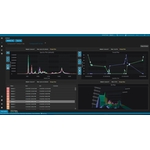
在线拉曼光谱分析技术 将化学智能直接植入浆料反应器,在传统技术无法企及的地方持续提供原位可见性
它能够实时获取以下信息:
单体和共聚单体消耗 (例如乙烯、丙烯)聚合物形成进程 (即使在不透明高含固量混合物中)低氢浓度 (对分子量和熔体流动速率(MFR)控制至关重要)发生过程中的化学性质偏差 (而不是在批次或过渡完成后)
上述信息可以在三种相态(液相、固相和气相 )下提供,在反应开始后的第一个小时内即可获取。
©Endress+Hauser
措施
反应可视化如何改变运营决策
当从浆料聚合反应器内部能够持续获取化学信息时,决策模式便能从被动转向主动。操作员和工程师可以:
在补救措施仍然可行的情况下检测到偏差 在过渡过程中确定牌号何时达标 在启动或重启后更快地稳定操作条件 基于真实的反应行为而非间接信号做出规模放大决策
其影响不在于生成更多数据,而在于在化学行为发生变化的瞬间实现决策级可见性 。
在浆料聚合 工艺中,牌号过渡和早期反应阶段是产品质量和产量风险最大的地方。通过在反应器内部和整个反应过程中直接显现单体消耗、聚合物形成和氢气行为 ,在线拉曼光谱监测将控制模式从间接推断转变为反应水平洞察。在反应仍可控的阶段做出决策 ,并在不合格品产生前纠正偏差。这消除了关键生产时刻的不确定性,实现了牌号过渡稳定化,并使操作员能够通过设计(而非批次后纠正)来展现质量的一致性和更高的有效产量。
在浆料烯烃聚合生产中,当操作员等待确认新牌号是否达标时,牌号过渡 期间会产生相当一部分不合格品。通过更早地检测聚合物形成和牌号稳定情况,在线拉曼光谱监测缩短了从不合格品到合格品的过渡时间。
对于乙烯或丙烯的浆料生产,反应可视化的经济影响取决于操作员能够多早地识别牌号稳定情况并采取行动。实际反应稳定性与最终决策之间存在任何延迟都会导致不必要的不合格品产出和生产利润损失。
实际操作条件下的经济影响示例
在牌号过渡期间更早掌握反应水平信息,就能增加合格物料产出,产生可衡量的年度价值。对于每项操作而言,根本问题不在于能否获得类似收益,而在于如果在反应真正稳定时就做出决策,可以减少多少过渡时间和不合格品产出 。
优势:
无实时信息时的典型不合格品过渡时间:约90分钟 进行拉曼光谱牌号检测后的不合格品过渡时间:约60分钟 每次过渡减少的不合格品产出:约30吨 每周进行3次过渡,相当于每年增加4680吨合格物料产出 假设合格物料与不合格物料的价差约为400美元/吨,则每年的潜在价值约为187万美元 事实上,潜在经济收益与能够提前多久验证牌号过渡和增加合格品产出成正比。
在浆料反应器的实际应用中,这一价值是通过以下优势实现的:
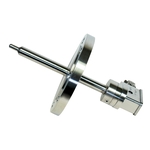
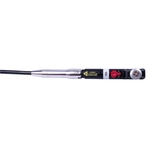
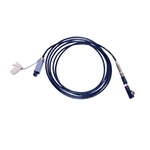
浸入式拉曼探头 直接安装在浆料反应器中适用于ATEX防爆场合 灵敏度高,能够在线定量分析单体、聚合物、痕量氢气 从实验室到中试再到生产 分阶段部署,同时保留分析模型和工艺洞察 拉曼光谱分析技术旨在补强(并非取代)现有控制系统,因为它能将以往不可见的反应变量用于控制、优化和决策。
@Borealis
案例研究
已在工业浆料聚合工艺中得到验证
Borealis与Endress+Hauser合作,利用在线拉曼光谱技术监测丙烯或乙烯浆料聚合工艺中的单体消耗和聚合物生长。
实时监测聚合工艺中的液相、固相和气相 定量分析聚合工艺中的丙烯、聚丙烯和痕量氢 聚合工艺运行后的一小时内即可清晰观察反应进程 从实验室到中试再到全面生产,显著提升工艺放大可靠性
“Endress+Hauser在石油化工和聚合物领域应用光学分析技术的知识和实践经验,对我们改进聚合工艺开发起到了至关重要的作用。”
Alexander
Standler, 在线气体分析仪专家, Borealis Polyolefine GmbH,位于奥地利林茨
我们的专长
为什么选择Endress+Hauser?
我们提供以下优势,帮助聚合物制造商设计安全、稳定、高性能的生产工艺:
成熟的拉曼光谱分析系统 ,适用于ATEX防爆场合 浸入式拉曼探头 ,专为多相态且多变的反应条件设计擅长 强大的咨询式销售服务,包括化学计量学和实验设计 广泛的全球服务网络,以及强大的本地技术支持
从实验室开发到大规模生产,我们的技术能够增强对工艺过程的理解,并确保聚合物质量的稳定性。
运营部署
拉曼光谱分析技术适合您的工艺过程吗?
请思考一些实际因素和自我评估问题,以确定拉曼光谱分析技术的适用环节以及具体应用方法,以确保其在您的工艺过程中发挥真正价值。
为什么在浆料聚合工艺中,牌号过渡环节存在高风险?
在牌号过渡期间,单体比例、氢气浓度和催化剂响应在多相高含固量环境中同时发生变化。微小的动力学偏差会迅速传播,影响分子量分布和牌号稳定性。由于传统分析方法只有在取样和实验室分析后才能确认质量,因此在操作员确定反应真正稳定之前 ,往往会产生大量不合格品。
实时反应洞察如何改善聚合物控制?
持续监测单体消耗、聚合物形成和氢气行为,可将实际反应行为与聚合物性质 (例如分子量、熔体流动速率和牌号稳定性)直接联系起来。通过观察浆料反应器内这些变量的演变,操作员可以在反应仍可控时调整条件,而无需在产生不合格品后进行补救。
实时浆料聚合监测如何减少不合格产品?
实时浆料聚合监测在反应过程中 (而非在实验室确认后)实时监测单体消耗、聚合物形成和氢气行为,能够有效降低不合格品产出。在线拉曼光谱分析技术 可以更早地检测偏差和牌号稳定情况,使得操作员能够在反应仍可控的阶段 进行干预。这缩短了牌号过渡时间,避免了补救措施滞后,并减少了不合格物料产出。
为什么在线反应可视化能够降低工艺放大的不确定性?
浆料聚合工艺放大的不确定性通常源于实验室指标不能完全反映多相工业反应器的行为。在线反应可视化能够提供一致的单体消耗、聚合物生成和氢气行为信息,涵盖实验室、中试和全规模反应器。这种连续性使得工艺扩大决策能够基于可比较的反应行为 ,从而提高操作窗口的可靠性,并减少对间接相关性的依赖。
如何使用拉曼光谱分析技术监测浆料聚合反应?
拉曼光谱分析技术通过直接在浆料反应器内部 进行化学成分的连续原位测量,用于监测浆料聚合反应。在线拉曼探头可实时 测量液相、固相和气相中的单体消耗、聚合物形成和痕量氢气行为,即使在传统分析法难以为继的不透明高含固量环境中也能正常工作。
因为测量是在线连续 进行的,因此可以观察到反应行为的演变过程,而不是从滞后的实验室取样数据中重现反应行为。这使得操作员能够及早发现偏差,更快稳定牌号过渡,并根据实际反应行为做出工艺扩大和控制决策,从而减少不合格品产出并提高反应器稳定性。
后续步骤
联系我们
与我们的化工行业专家探讨您的过程挑战。我们随时为您提供支持。
通过自动原材料验证确保聚合物工厂安全
利用在线拉曼光谱分析法和联锁交接控制,在卸载过程中实现自动原材料验证,从而增强聚合物安全性。
优化合成橡胶生产,确保每批次均合格
利用在线拉曼光谱监测优化SSBR和ESBR生产。获取实时反应信息,稳定微观结构,提高收率,并缩短批次周期。
加快精细化学品的工艺放大,同时保持工艺洞察力
通过实时分析加速从实验室到生产线的工艺放大。利用实时拉曼光谱数据提升产品质量、减少浪费并实现精细化学品的工艺放大。
Principles of Raman spectroscopy
Learn how to unlock molecular insights with this overview of Raman spectroscopy—real-time, non-destructive analysis for chemical ID, process control, and innovation across industries.
我们非常重视您的隐私权
我们将Cookie用于提高网页浏览体验、收集统计数据来优化网站功能,以及投放定制化广告或内容。
选择“全部接受”,即表示您同意我们使用Cookie。Cookie政策 。
定制
仅接受基本的
全部接受