加快精细化学品的工艺放大,同时保持工艺洞察力
从实验室实验到大规模生产,持续提供实时洞察有助于保留工艺知识,从而在精细和特种化学品生产中实现更早的决策、可预测的工艺放大和更快的产品放行。
引言
精细化学品工艺放大过程中的工艺洞察流失
在精细化学品开发过程中,最大的延误和低效很少源于化学本身。这些问题通常出现在工艺放大
离线分析、人工取样和特定阶段的模型重新验证迫使团队:
在工艺放大过程中重复实验 重新识别生产规模下的操作窗口 在调查偏差的同时延迟产品放行 承担浪费、返工和额外开发成本 一旦实验室、中试和工厂车间之间的工艺洞察脱节,工艺放大 就会成为迭代式循环,而非工程化方法 。
洞察
让工艺洞察在实验室、中试和生产中始终可见
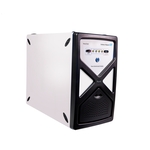
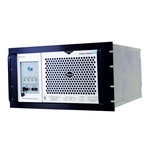
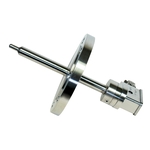
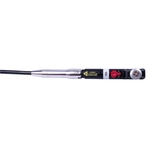
在线过程分析技术(PAT)(例如拉曼光谱分析法 )可以将化学洞察植入实验室反应器、中试容器和生产设备中实际发生反应和转化的位置 。将相同的拉曼探头和分析模型直接应用于工艺流 ,在各个规模下生成连续的原位测量数据。这使得工艺行为能够在设备内部 直接显现,而无需依赖外部实验室分析进行重建。
拉曼光谱分析技术能够跨规模提供关键工艺信息,例如:
反应进程和关键化学转化 实际操作条件下的工艺变异性 发生过程中的偏差(而非损失累积后) 开发模型转移至生产环境时的有效性 由于拉曼光谱通常允许将独立的特征谱峰分配给不同物质 ,因此可以使用单个光谱同时测量多种成分。信息丰富的光谱提供了深入的工艺洞察,并减少针对不同规模的模型重新校准工作。此外,还能更快获取定量结果 ——这在开发和工艺放大过程中至关重要。
持续洞察如何加速开发和工艺放大决策
如果在实验室、中试和生产中一致采用相同的分析测量方法和模型,决策方式会发生根本变化。团队不再回顾性验证结果;而是在实验和试验运行过程中 就采取行动。
实现从实验室到生产线的分析可扩展性,就能带来以下益处:
在开发过程中更快做出基于证据的决策 更早确认工艺放大就绪度 在条件出现偏差时立即干预 重复利用(而非反复重建)分析模型 取代缓慢且容易出错的人工取样
其价值并非在于更多的数据,而在于能够跨规模保持一致的决策级洞察 。
©Endress+Hauser
措施
从实验室到生产线的工程化连续性
在精细化学品生产过程中,一旦实验室、中试和生产之间的工艺洞察脱节,产品性能和上市时间将面临极大风险。通过在所有阶段执行连续实时分析,在线拉曼光谱技术能够建立从开发到生产的工程化连续性 ,从而严格控制关键过程参数和保证产品质量一致性。
分析技术模型在实验室反应器中进行验证,在中试设备中进行确认,并在生产规模下应用相同的测量原理在工艺接口处实施 。这消除了关键过渡点的不确定性,并通过设计(而非反复迭代)实现了可预测的工艺放大、更快的产品放行以及稳定的生产绩效 。
实验室洞察如何转化为工厂现实
如何实现从实验室到生产线的连续实时监控:
将在线拉曼光谱分析技术 作为过程分析技术部署 从开发到生产持续重复利用过程分析技术 同时监测多个测量点的关键过程参数 直接在设备上实时 执行化学计量学评估允许在要求严苛的ATEX防爆场合 测量
无需在各个规模下重建理解,而是保留和重复利用洞察,从而在整个生产生命周期中构建单一、可靠的分析基础。
可衡量的价值
从开发洞察到可衡量的生产影响
在精细化学品业务中,信息碎片化会导致开发周期延长、浪费加剧和上市进程缓慢。从实验室到生产线持续部署分析技术,将开发意图转化为实际生产。
生产商可以展示以下优势:
更快获取工艺洞察,加速产品上市 减少工艺放大过程中的意外情况和返工 通过针对性优化降低原材料和能源消耗 利用现有资产提高产出 减少人工干预,提升操作安全性和合规性
生产商在生产损失发生之前 就能取得成效,而非事后补救。
©Endress+Hauser
案例研究
在量产规模下证实能力:Evonik
Evonik展示了持续分析如何彻底改变精细化学品的开发和生产。通过使用在线拉曼光谱分析技术取代人工取样,并在研发到生产的整个过程中应用相同的分析模型,工艺放大过程中的工艺洞察得以保留,并直接转换为更安全、更高效的运营模式。
Evonik能够在实践中展示以下优势:
分析模型从开发到生产的顺畅转移 以实时监测取代缓慢、容易出错的人工取样 减少校准工作量,更快获取定量结果 提升安全性和操作效率,允许在ATEX防爆场合测量 更快获取工艺洞察,加速产品上市 上述解决方案在全球部署了50多个测量点和16台拉曼光谱分析仪 ,展示了连续分析如何打造可扩展且可靠的生产体系。
"With Raman spectra, you might be able to assign isolated peaks to individual substances in the mixture. This significantly reduces the calibration effort and quickly leads to quantitative results."
Dr. Andreas Ohligschläger, PAT Engineer, Evonik Industries AG
我们的专长
为什么选择Endress+Hauser?
通过将过程分析技术直接植入开发和生产流程,Endress+Hauser致力于帮助精细化学品和特种化学品生产商打造可预测、可扩展的工艺 。
擅长化工 和特殊工艺领域 坚固耐用的拉曼 系统,满足严苛工况要求 强大的应用工程和全球项目经验 长期合作伙伴关系,确保服务连续性和可靠性 从早期开发到大规模生产,我们确保实验室的研究成果能够转化为日常运营中可重复的高可靠性环节 。
运营部署
当考虑拉曼光谱分析技术时,我们应该问什么问题?
在投入时间和资源实施之前,请查阅工艺工程师用于评估拉曼光谱分析技术应用就绪度的问题和决策标准。
如果工艺放大至量产规模时出现性能差异怎么办?
在精细化学品工艺放大过程中,实验室、中试和生产之间存在性能差异很常见,尤其是在混合、热传导或操作条件发生变化时。连续在线分析在各个规模下利用相同的测量原理,直接在工艺过程内部 显现这些差异。在工艺过程运行的同时 检测到成分、反应进程或选择性方面的偏差,使团队能够及早干预,而不是事后调查损失。
在精细化学品工艺放大过程中,实时过程监测如何减少偏差调查以及提高批次间一致性?
在精细化学品工艺放大过程中,出现问题之后 往往会发生延误:此时团队必须暂停进度来调查偏差 ,并根据零散的数据和人工取样重现事情经过。连续在线过程监测能够实时 呈现关键工艺行为,从而在工艺过程运行的同时 检测到偏差,避免损失累积。这有助于更早采取干预、减少工艺放大过程中的意外情况,以及提升实验室、中试和生产之间的执行一致性,从而减少返工、浪费和产品上市时间,同时利用现有资产提高产出。
与实验室分析相比,在线分析的可靠性如何?
在线拉曼光谱分析技术通过测量化学反应实际发生的位置 提供分析可靠性,不存在取样延迟或操作失误。在许多精细化学品反应中,独特的光谱特征可以减少校准工作量并提高稳健性。由于分析模型是在研发阶段设计,并在实际操作条件下获得验证,因此其可靠性是在工艺运行过程中 建立的,而不是事后从重建的实验室数据中推断而来的。
在精细化学品业务中,拉曼光谱分析技术能够提供哪些决策支持?
持续洞察有助于团队在研发、工艺放大和生产过程中更早更自信地做出决策。他们可以更快确认工艺放大就绪度,检测运行过程中反应路径的变化或杂质的形成,并基于实时过程数据而非滞后的测试结果来支持放行决策。这使得决策方式从回顾性调查转变为基于实时工艺洞察的受控执行 。
在线拉曼光谱分析技术能否在ATEX防爆场合/危险精细化学品环境中安全使用?它能否减少人工取样?
可以。Endress+Hauser提供专为ATEX防爆场合和其他危险区环境
通过使用ATEX防爆拉曼探头和系统在反应点生成化学信息,团队可以监测反应进程并检测出偏差,而无需处理样品或等待实验室结果。支持在防爆危险区部署——这是使用在线拉曼测量取代人工取样的核心优势,有助于提高操作安全性,以及在开发和工艺放大过程中做出更一致、更及时的决策 。
后续步骤
联系方式
与我们的化工行业专家探讨您的过程挑战。我们随时为您提供支持。
通过自动原材料验证确保聚合物工厂安全
利用在线拉曼光谱分析法和联锁交接控制,在卸载过程中实现自动原材料验证,从而增强聚合物安全性。
实时反应可视化,增强浆料聚合工艺控制
利用实时拉曼光谱数据改进聚烯烃浆料聚合工艺。减少不合格产品,
实现牌号稳定化,提高有效产量。
优化合成橡胶生产,确保每批次均合格
利用在线拉曼光谱监测优化SSBR和ESBR生产。获取实时反应信息,稳定微观结构,提高收率,并缩短批次周期。
Principles of Raman spectroscopy
Learn how to unlock molecular insights with this overview of Raman spectroscopy—real-time, non-destructive analysis for chemical ID, process control, and innovation across industries.
我们非常重视您的隐私权
我们将Cookie用于提高网页浏览体验、收集统计数据来优化网站功能,以及投放定制化广告或内容。
选择“全部接受”,即表示您同意我们使用Cookie。Cookie政策 。
定制
仅接受基本的
全部接受