尝试输入关键词、订货号/产品型号或序列号(“CM442”或“技术资料”)进行查找
至少输入2个字符开始搜索。

The digital edge

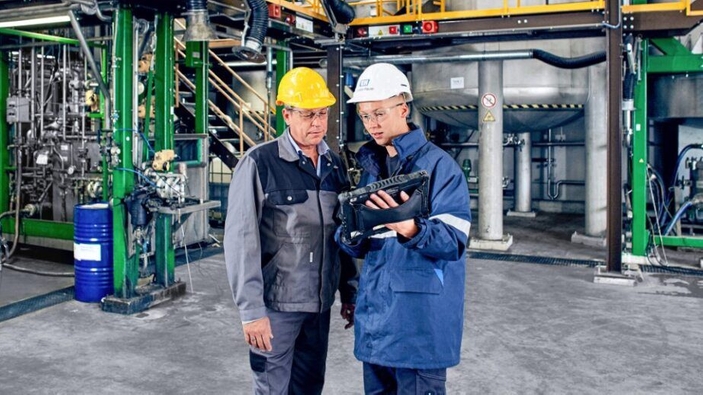
Endress+Hauser is leveraging data and artificial intelligence for internal process optimization. It’s an approach that helps the company perform to ever- higher standards – and, ultimately, keep customers satisfied.

09.02.2026 文字: Christine Böhringer 图形设计: 3st kommunikation
Calibration takes time.
Endress+Hauser is leveraging data and artificial intelligence for internal process optimization. ©Endress+Hauser

Endress+Hauser measuring instruments come in a wide range of variants, so practically every instrument is a one-off.

Precision forecasting

Endress+Hauser measuring instruments are not standard inventory items. They come in a wide range of variants, so practically every instrument is a one-off. The company manufactures about three million sensors to order annually, most with a turnaround time of just a few days. “To ensure our plants have materials and resources in the right quantities and at the right time, we have to forecast market demand at least 12 months ahead,” says Oskar Kroll, project director corporate supply chain. A recently introduced machine learning model is starting to support teams in this area. “Its analysis of historical data identified patterns and interrelationships; now the model is applying those findings to new data to forecast demand for our sensors,” Kroll explains. After just three months of training by in-house scientists and external experts, the model was ready to make its first requirements forecasts based on factors including quotations, incoming orders, exchange rates, oil and gas prices, economic indicators and public holidays.

“To optimize the model, we backtested it on periods for which we already knew the actual level of incoming orders. Now it’s been a year since we began using it on rolling 12-month forecasts. Our teams in the countries concerned check these forecasts for plausibility and add their own insights,” Kroll says. This combination of human and artificial intelligence is working well. Kroll: “Initial figures indicate that the forecasts have become more accurate. This improves our planning and helps us to reliably meet customer expectations.”

As one of Prewave’s customers, Endress+Hauser was able to contribute to the tool’s development. ©Endress+Hauser

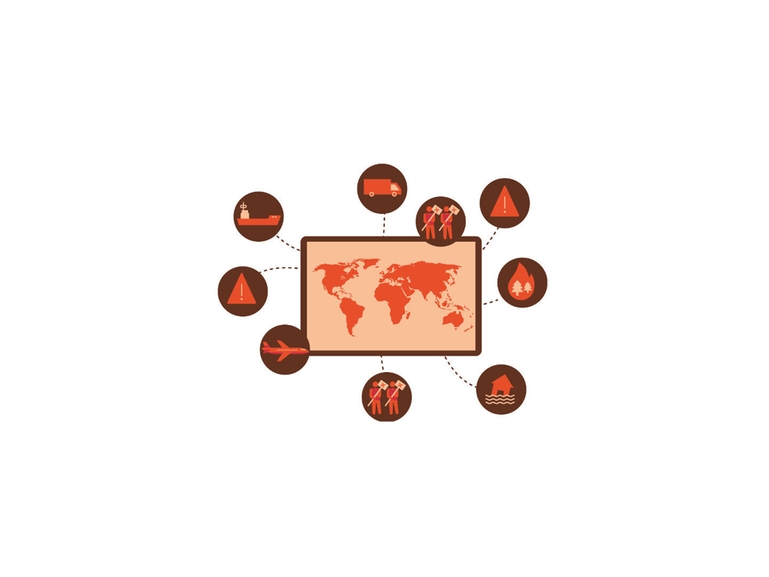
An increasing number of companies are required to ensure that their supply chains do not violate human rights or environmental obligations.

Transparent supply chains

Companies are increasingly required to ensure that their supply chains do not violate human rights and environmental obligations. That means close scrutiny and monitoring of suppliers. “As an international company with over 12,000 suppliers, we knew the only way of meeting these requirements was to have an assistance system,” says Thomas Nierlich, head of corporate procurement at Endress+Hauser. His team found the solution they were looking for with Prewave. This startup company has developed a platform that uses AI to analyze information gleaned from the web and social media in over 400 languages. “Prewave works around the clock, analyzing this data and performing risk assessments of strategic suppliers,” explains Thomas Nierlich. If there’s a protest near a supplier’s factory, or a natural disaster in the region, the global procurement team and the local purchasers receive notification. “We can also see at a glance whether there are suppliers with whom we should broadly engage on certain matters to avoid disruptions in our supply chain,” Nierlich says. As one of Prewave’s first customers, Endress+Hauser was able to contribute to the tool’s development. “Our service and production companies now also use Prewave for general risk management and evaluating new suppliers. All of which helps us strengthen our supply chains and improves our ability to fulfill orders reliably and on time,” explains Nierlich.

Calibration is a key step in the manufacturing process at Endress+Hauser. ©Endress+Hauser

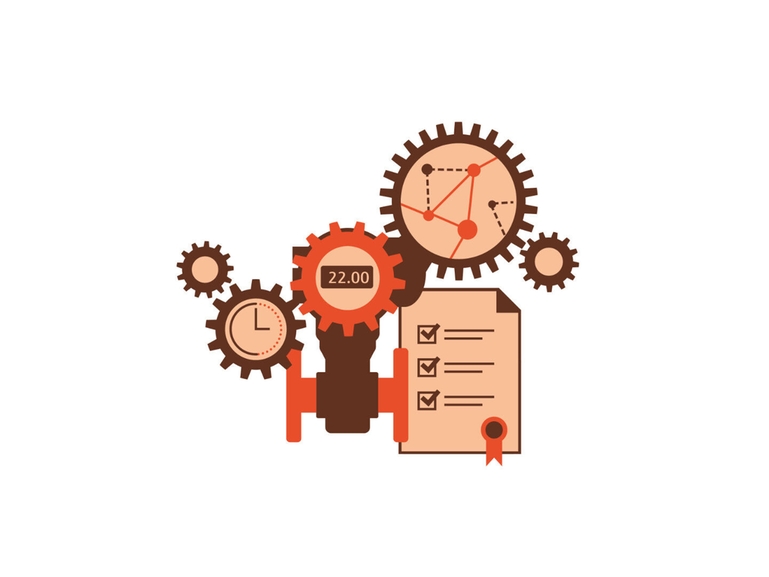
At Endress+Hauser, calibration is a key step in the manufacturing process.

Fast calibration

Calibration is a key step in the manufacturing process at Endress+Hauser. “It’s how we ensure that our measuring instruments perform within specification,” says Jörg Zacheres, principal project manager for calibration systems at the product center for flow measurement technology. But calibration takes time. “So, we wondered: Can this process be accelerated without any degradation in quality?” The goal was to speed up order fulfillment for electromagnetic flowmeters – the kind most often sold by Endress+Hauser. The challenge here was one of visibility, as advanced expert calibration analyst Jonas Bretz explains: “A good deal of the process is automated and takes place out of sight within the plant.” To achieve transparency, the team, drawing on diverse sources, collected and overlaid all the data generated about the instrument, the process and the production plant. “Everyone involved could then visualize the sequence of events in its entirety and full depth. That enabled us to further develop our shared grasp of how things were happening,” says Bretz.

The team optimized the calibration process across plants worldwide, working in close consultation with the competent authorities. Jörg Zacheres is delighted with the result: “The calibration process is now about 30 percent shorter. Some steps have been eliminated, others streamlined, and we even managed to build in an additional quality control step.” The team has also just shortened the calibration time for Coriolis flowmeters. And there are further projects in the pipeline: “Across the Group, we’ve built a data and AI platform where we will soon be able to collect all calibration data in an automated, standardized manner. This will streamline the task of our data scientists and help us realize optimization projects even faster,” says data product owner Jean Gutknecht.

过往活动报道