Top 10 things to consider when installing a new pH loop
Selecting the correct sensor for your process
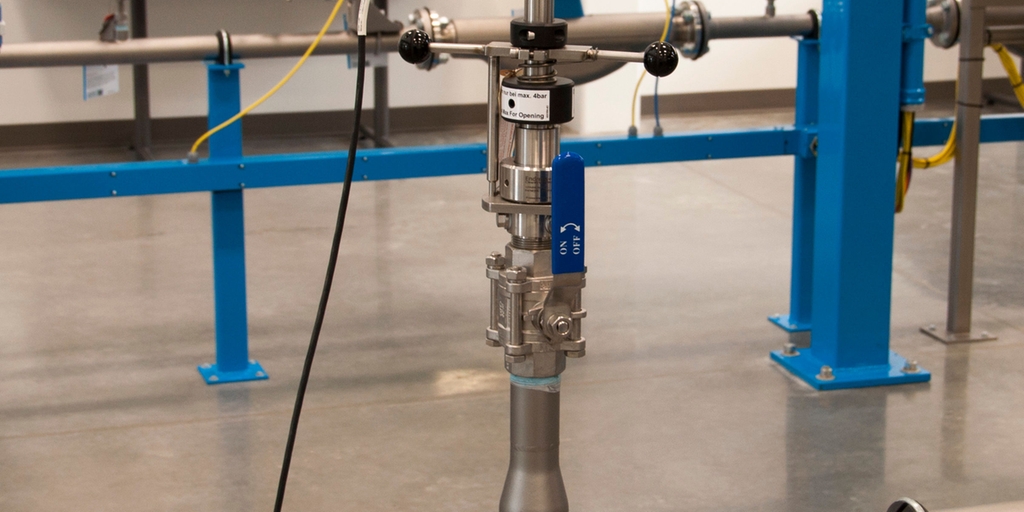
An example of a pH sensor installation in a convenient location for maintenance by plant personnel.
Are you looking to engineer the installation of a new pH loop, have a new loop ready for installation or re-doing an existing loop? Here is a roadmap to help you get past some of the most common road blocks.
This paper is written to help those who are looking to engineer the installation of a new pH loop, have a new loop ready for installation or are re-doing an existing loop. Whether a novice to the world of pH or a seasoned veteran, this is intended to be a helpful roadmap to a successful journey. It is not an end all be all, but rather a primer to get you past the most common road blocks.
Top 10 things to consider:
1. Watch your flow rate, pressure and temperature
2. Clean the sensor
3. Watch the temperature
4. Keep it wet and accessible
5. Consider redundancy
6. Monitor sensor life
7. Establish and follow QA/QC procedures
8. Handle sensors carefully
9. Use only as directed
10. Select the correct sensor for the process
One size does not fit all
It is important to work the manufacturer to select the pH sensor that will be best suited for your application. This is a case where one size does not fit all. Many manufacturers have their go-to sensor, a sensor that 80% of the time will cover most of the applications. That might be the sensor for you, or it might not.
联系信息
您对我们的产品组合感兴趣吗?想要谈谈您的实际应用吗?