The field communicator and how to use it with IIoT
From multimeter to industrial tablet: The evolution of field tools

简述
- In the era when devices relied solely on 4–20 mA signals, the multimeter was an indispensable tool for daily tasks.
- Today, the primary instrument for field work is the field communicator - no longer a simple handheld device, but a feature-rich tablet designed to support a wide range of activities.
- Over time, the field communicator has evolved significantly, offering advanced capabilities that many users have yet to fully explore due to routine demands.
- Unlocking its full potential can optimize workflows and enhance efficiency, particularly when combined with Industrial Internet of Things (IIoT) services.
- This article examines the origins and evolution of handheld communicators and demonstrates how modern tools can transform plant operations through integration with IIoT solutions.


The evolution of field communicators
In the early days of process automation, multimeters were the primary tool for verifying 4–20 mA signals and ensuring loop integrity. These instruments were essential for basic troubleshooting and maintenance tasks.
The introduction of handheld field communicators marked a significant advancement. Unlike multimeters, these devices enabled direct interaction with smart transmitters, allowing configuration, parameter adjustments, and diagnostics through protocols such as HART. Initially, these communicators were simple, menu-driven tools, but they provided a much-improved user experience compared to manual configuration methods.
Over time, field communicators evolved to support multiple protocols, including HART and Foundation Fieldbus. Access to device functionality depended on Electronic Device Description (DD/EDD) or Device Type Manager (DTM) files, which allowed full navigation of the device’s menu tree. Without these files, only generic access was possible, limiting configuration options - a challenge that still occurs occasionally when libraries are outdated or incomplete.

Today, modern field communicators offer extensive connectivity, supporting multiple protocols and integrating advanced tools in a single device. Combined with IIoT services, they provide secure data access, remote monitoring, and streamlined workflows - eliminating the need to carry multiple tools across the plant.
How to use the field communicator?
Field communicators are versatile tools designed to simplify interaction with smart field devices. Their primary functions include:
- Configuration: The core purpose of a field communicator is to provide access to the device’s menu structure for configuration. This is achieved through device-specific files such as DD/EDD or DTM, which enable full functionality. Emerging standards like FDI are gaining relevance.
- Diagnostics: Field communicators allow users to retrieve diagnostic information, offering insights into device health and performance. Advanced file structures provide detailed data, although traditional communicators typically require physical proximity to the device or connection to the loop. Modern IIoT services, such as Netilion Health, now enable remote access to this information.
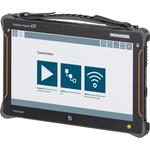
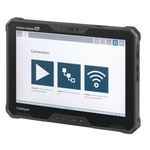
- Advanced Functions: For radar level transmitters, communicators can display envelope curves, aiding in troubleshooting and optimization. Industrial tablets, such as the Field Xpert, enhance usability by providing high-resolution displays without the need for laptops. Additionally, services like Heartbeat Technology, available in many Endress+Hauser devices, collecting advanced asset health information, further extending the communicator’s capabilities.

Keepting the field communicator up to date
Maintaining an updated field communicator is essential for reliable device configuration and diagnostics. This involves two key aspects: ensuring the latest software version is installed and keeping the device library current with updated DD/EDD, DTM or FDI files for a wide range of field instruments.
Historically, updating these tools was a complex process, often requiring a physical connection to a computer and, in some cases, infrared data transfer—an approach prone to errors and file corruption. Today, the process is far more streamlined. Modern communicators can connect directly to servers to download updates, ensuring that both software and device libraries remain current. For example, tools like Field Xpert provide an intuitive update procedure, reducing the risk of generic communication caused by missing device files.
Working Efficiently with IIoT Services
Modern field communicators have evolved into industrial tablets, offering flexibility and functionality comparable to laptops. This transformation enables integration with IIoT services, creating a powerful platform for managing field devices and associated documentation.
By combining tools such as Field Xpert with cloud-based services like Netilion Library, users can access all relevant files and documents directly from the cloud. This eliminates the need to search for manuals or calibration records during troubleshooting and allows teams to collaborate by sharing documentation seamlessly. The result is improved efficiency and smarter management of device-related information.