


Portfolio
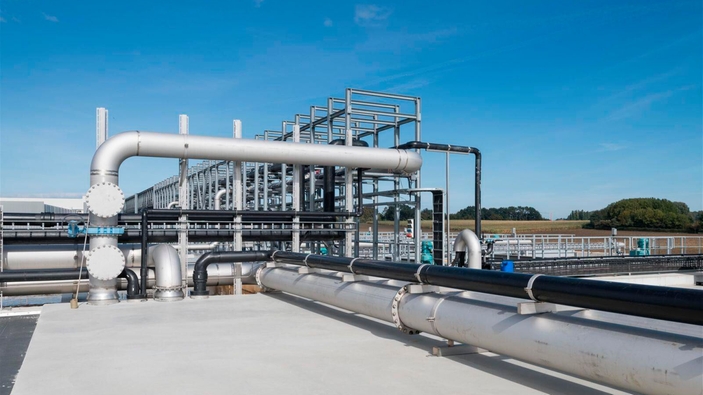
Membrane filtration is used in seawater desalination, water reuse and other modern water management processes. Different filtration methods are used depending on particle size and application requirements. The challenge when using pressure-driven methods is to control cleaning cycles better and avoid irreversible membrane blockage or damage. Endress+Hauser’s comprehensive range of sensors ensures water quality and maximizes plant availability.
关键点
9500
万立方米
全球的海水淡化厂每天可以生产9500万立方米淡水。 数据来源:联合国大学论文,1995年。
Process overview
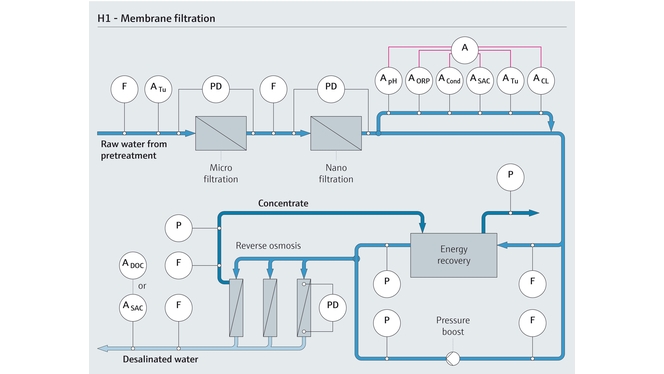
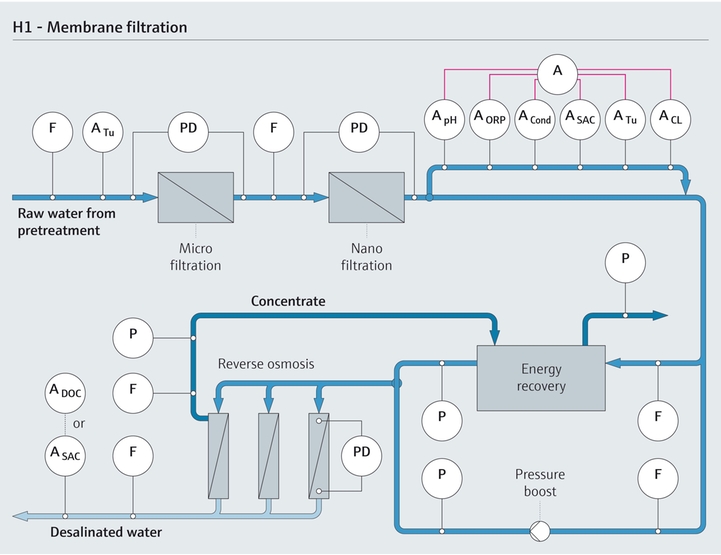
The process of membrane filtration at a glance
Insights
Membrane filtration process
Membrane filtration removes bacteria, microorganisms, particulates, and natural organic material from water by forcing the water through a filter. The size of materials that can be removed during filtration depends upon the pore size of the filters. There are four types of membrane filters depending on the particle size.
- Microfiltration
- Nanofiltration
- Ultrafiltration
- Reverse osmosis
Endress+Hauser provides deep industry expertise and knowledge to offer suitable process instrumentation. Each membrane filter requires permanent monitoring of critical parameters to ensure water quality, safety & compliance
- Discover our powerful pressure instrumentation for your critical measuring points
- Use our comprehensive product offering for all relevant liquid analysis parameters

Insights
Pressure-driven filtration processes
In the pressure-driven processes of membrane filtration, the filters can be damaged by pressure peaks and wear out. Such spikes are difficult to predict; therefore, pressure devices must resist pressure overload and provide reliable measurements quickly and over the long term.
Our expertise in the field
Endress+Hauser’s robust differential pressure devices help avoid filter damage by responding promptly to pressure overloads. Pressure peaks can be predicted using innovative sensor technology. The need for filter maintenance is indicated reliably.
- Get familiar with our portfolio of process pressure and differential pressure measurement
- Take a closer look at our digital pressure transmitter Cerabar PMP51B
- Benefit from our smart transmitter Deltabar PMD55B with metal membrane for differential pressure monitoring

Insights
Inlet quality monitoring
Controlling inlet quality minimizes biofouling and scaling, optimizes cleaning cycles and thus ensures longer membrane lifetime. Different parameters are used to manage the inlet quality of reverse osmosis: pH, turbidity, chlorine, SAC, conductivity, and ORP measurement. Requirements for quality inlet sensors are reliability, stability, low maintenance, easy calibration and documentation.
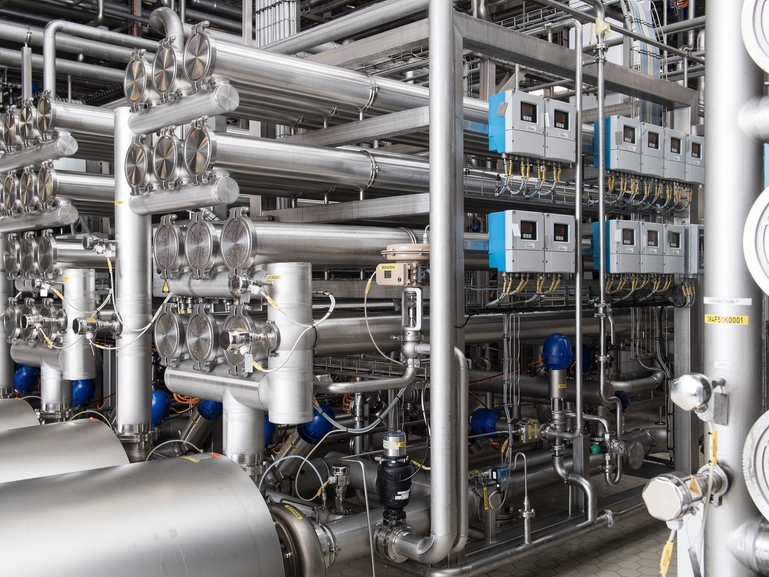
The relevant process sensors with Memosens technology are installed on analytical panels, which can be customized according to the application requirements. Convince yourself and take a look at our drinking water quality monitoring systems
Benefits
Endress+Hauser simplifies even complicated applications with various measuring parameters thanks to our broad portfolio and innovative technologies like Memosens that enable you to take the first step towards a digital future. This way, we can not only help you ensure the availability and quality of your membrane filtration water treatment but also help you to reduce maintenance and calibration costs.
关键点
>90%
pathogens
can be removed from water with membrane filtration
关键点
~20%
fewer cleaning additives
used for membrane cleaning cycles
关键点
40%
longer lifetime
of analytical sensors with Memosens technology
Takeaway
How we can help
Our portfolio optimizes the safety and reliability of membrane filtration in water treatment. Mechanical protection is monitored primarily by pressure and differential pressure. Accurate quality monitoring with analysis sensors at the inlet significantly reduces scaling and fouling.
- Enhance membrane filtration control
- Ensure highest standards in water quality
尾注
Related articles

